Table of Contents
"How are you?" The response to this question is occasionally more complex than the individual asking may understand. You could blurt out a fast, "Fine, many thanks!" even when you understand you're not. AdvertisementCleveland Facility is a non-profit academic medical. Advertising on our site aids support our objective. We do not back non-Cleveland Clinic items or solutions.
And while that makes these conditions seem very different, they are more intertwined than they could seem. And they typically happen with each other. Psychiatrist Karen Jacobs, DO, provides us a summary of what anxiety and depression are, just how they materialize in different methods, just how they can be relevant and how to inform the distinction between the two.
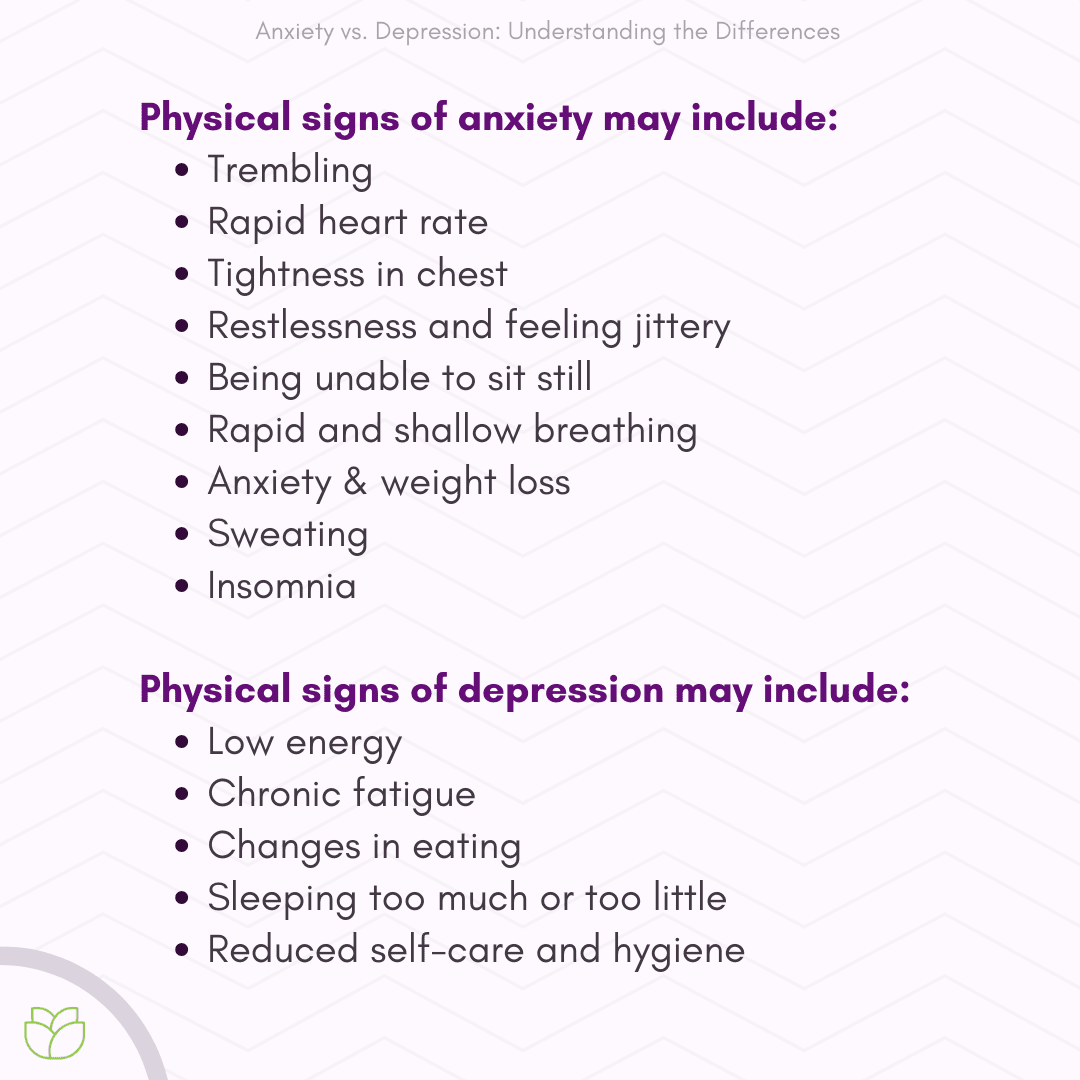
Consuming over circumstances or outcomes. Indecision. Anxiety. Inability to unwind. Sensations of restlessness. Problem focusing or physical frustration. Additionally, there's a wide variety of physical signs that can accompany stress and anxiety, consisting of: Muscle mass stress. Chest tightness. Feeling easily weary or fatigued. Heart palpitations. Lack of breath. A long term state of anxiety, which constantly activates your fight-or-flight response, can have significant repercussions on your health and wellness.
Why Complex Trauma Shapes Depression
Jacobs says it's so vital to look for treatment if you're experiencing these signs. A clinical depression medical diagnosis goes much beyond just having the blues.
Characteristic indications of anxiety consist of: Sensations of sadness and sadness. Loss of rate of interest. Trouble sleeping. Feeling tired. A change in hunger. Unusual physical discomfort or aches. Seeming like tiny jobs take added effort. Having ideas of self-harm or suicide. Sensations of unimportance and low self-confidence, and depressed mood. Stress and anxiety and anxiety are both typical psychological health conditions that can affect your capacity to set about your everyday tasks and live your life totally.
Integrating Internal System in the Framework of Therapeutic Work
Both stress and anxiety and depression can cause: Digestive system troubles. Modifications in appetite or weight. Trouble sleeping. Problem focusing. Irritation and restlessness. If you're experiencing any of these signs and symptoms, it is necessary to let a healthcare supplier understand. If you're experiencing modifications in your state of mind and you're trying to arrange out whether it may be clinical depression or stress and anxiety or both focus on your power level and your attitude toward the future.
Meanwhile, anxiousness can create you to feel high-strung and invigorated, frequently fueled by racing thoughts and fear. Another huge distinction in between anxiety and anxiety likewise can be found in the treatment of each problem. It is essential to talk with your specialist, psychiatrist or healthcare company to make sure you're getting the right treatment.
The Connection Between Unresolved Trauma Affects Depression and Anxiety
According to the Anxiety & Anxiety Organization of America, almost fifty percent of individuals who are diagnosed with anxiety are likewise detected with stress and anxiety. In numerous situations, one may have caused the various other."It's nearly like we're attempting to sort out the hen and the egg. We're attempting to find out which one occurred initially, and afterwards if one created the various other," discusses Dr.
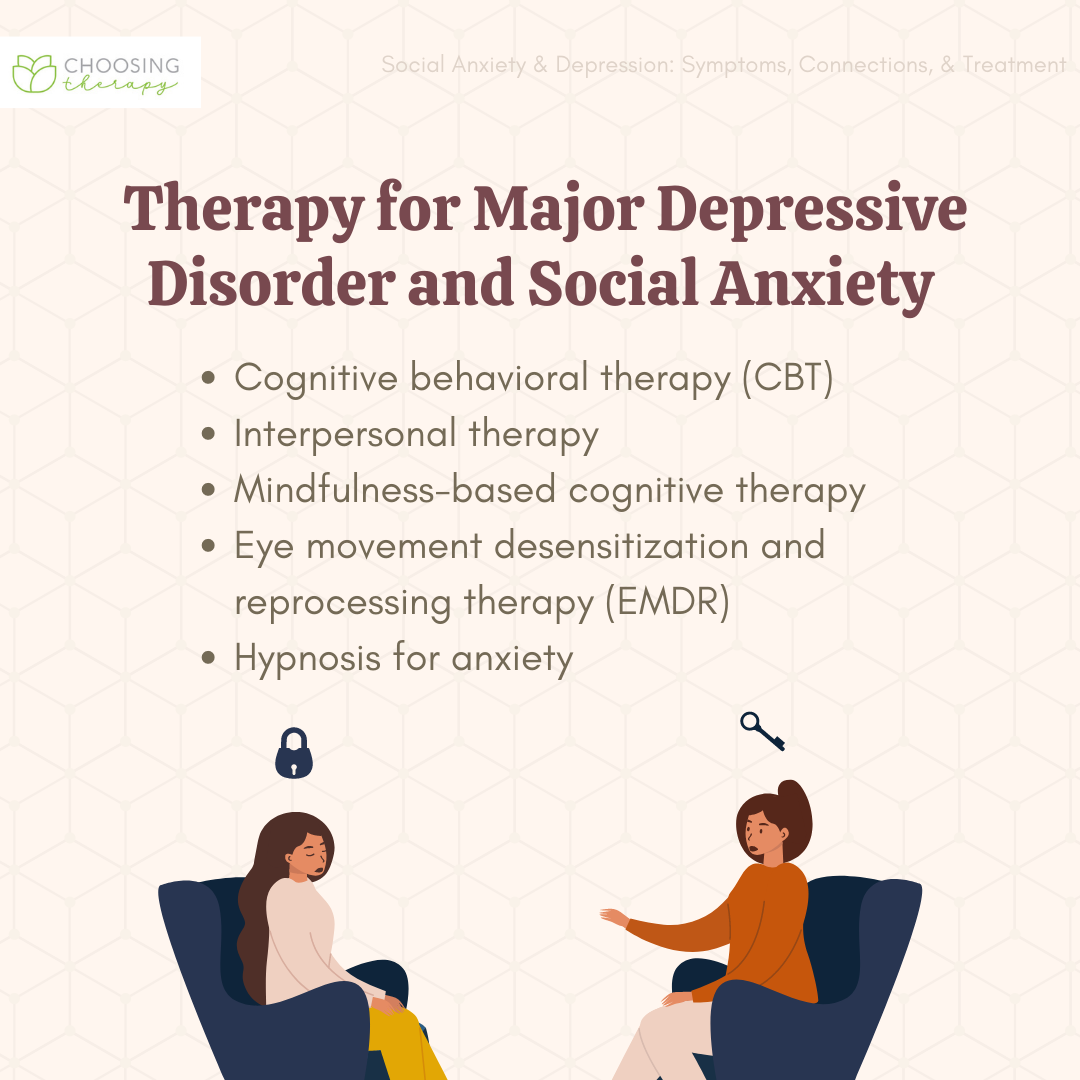
When this happens, you can additionally be at greater risk for self-harm. In this situation, intensive treatment can be very handy for handling anxiety accompanied by nervous distress, so it is essential to reach out for aid. Whether they happen together or independently, anxiety and stress and anxiety are both treatable. The majority of people gain from psychotherapy (talk treatment), cognitive behavior therapy (CBT), medication or a combination.
Anxiety disorders often go hand in hand with depression. Anxiousness and depression are frequently referred to togetherWith each other but yet are not the sameExact same If you drop right into any of the classifications talked about below, you may be more vulnerable to stress and anxiety or depression(or both)compared to others: Women are much more most likely to be diagnosed with anxiousness problems compared to guys.

Navigation
Latest Posts
Assisting Loved Ones Throughout Their Recovery in Denver
Grief in Processing Family History
Grounding Practices and Family Trauma in Oakland, CA